Showing posts with label Bible translations. Show all posts

Tuesday, February 23, 2021

WAYS TO DETERMINE IF A SCRIPTURE IS USED CORRECTLY - Scripture is misused by certain teachers in teachings that promote prosperity, promise physical healing, or endorse Old Testament legalism. Typically, these errors are taught by taking verses out of context and giving them meanings they don't have. Always look at the historical background - This doesn't mean that historical context negates the principles in the passage, but it does clarify them. Always look at the verse context. Read the passage in several translations. Sometimes, reading a passage in several translations clarifies the meaning. Explain the passage in your own words. Sadly, many people allow deceptive or misinformed teachers to tell them what Scripture means instead of studying it for themselves. If you have trouble understanding the meaning, look it up in credible unbiased commentaries. Be honest enough to reject a false explanation of Scripture. Don't be swayed by the number of people who promote an error. Be like the Bereans and make sure their claims are validated in Scripture. - Recently I heard Jeremiah 10:2-4 used to condemn the use of Christmas trees. This is such an excellent example of the way Scripture is misused by certain teachers that I felt it was worth explaining. Even though I'm using this particular passage and teaching, you will find similar misuse of Scripture in teachings that promote prosperity, promise physical healing, or endorse Old Testament legalism.

............................................................................................................................................................................................................................................................................................

Ways to Determine if a Scripture is Used Correctly

Scripture is misused by certain teachers in teachings that promote prosperity, promise physical healing, or endorse Old Testament legalism. Typically, these errors are taught by taking verses out of context and giving them meanings they don't have. 

.

Always look at the historical background - This doesn't mean that historical context negates the principles in the passage, but it does clarify them. Always look at the verse context. Read the passage in several translations. Sometimes, reading a passage in several translations clarifies the meaning. Explain the passage in your own words.

,

Sadly, many people allow deceptive or misinformed teachers to tell them what Scripture means instead of studying it for themselves. If you have trouble understanding the meaning, look it up in credible unbiased commentaries. Be honest enough to reject a false explanation of Scripture. Don't be swayed by the number of people who promote an error. Be like the Bereans and make sure their claims are validated in Scripture.

Gail Burton Purath


Recently I heard Jeremiah 10:2-4 used to condemn the use of Christmas trees.

This is such an excellent example of the way Scripture is misused by certain teachers that I felt it was worth explaining.

Even though I'm using this particular passage and teaching, you will find similar misuse of Scripture in teachings that promote prosperity, promise physical healing, or endorse Old Testament legalism.

Typically, these errors are taught by taking verses out of context and giving them meanings they don't have.

So let me respond to this use of Jeremiah 10 using principles that can help us accurately understand any passage.

1. Always look at the historical background:

This doesn't mean that historical context negates the principles in the passage, but it does clarify them.

This is especially important when discussing Old Testament passages because they contain some laws and principles that were meant for a specific group or a specific time in history.

The historical background of Jeremiah 10: It deals with pagan practices that were currently influencing the nation of Israel.

The connection with paganism and the worship of false gods was obvious to the Israelites.

In contrast, modern teachings against Christmas trees associate Christmas trees with pagan practices from the ancient past, pagan religions no longer practiced.

In addition, from my study, while these pagan holidays once existed, the claims that Christmas originated as pagan holidays is without credible historic evidence.

2. Always look at the verse context.

It's interesting that this false teaching used Jeremiah 10:2-4, and didn't include verse 5 since verse 5 clarifies the passage.

Jeremiah 10:2-5: This is what the Lord says: “Do not learn the ways of the nations or be terrified by signs in the heavens, though the nations are terrified by them. 3 For the practices of the peoples are worthless; they cut a tree out of the forest, and a craftsman shapes it with his chisel. 4 They adorn it with silver and gold; they fasten it with hammer and nails so it will not totter. 5 Like a scarecrow in a cucumber field, their idols cannot speak; they must be carried because they cannot walk. Do not fear them; they can do no harm nor can they do any good.”

If we had any doubts why these people were cutting trees from the forest and adorning them with gold and silver, verse five removes those doubts.

It clearly explains that they are making idols from the trees.

3. Read the passage in several translations.

This passage has the same meaning in all good translations.

Sometimes, however, reading a passage in several translations clarifies the meaning.

One example is Proverbs 23:7 which is widely misused when taken out of context and quoted only in the KJV. See Proverbs 23:7 Does Not Mean We Become What We Think.

4. Explain the passage in your own words.

When a teacher quotes a passage and then explains what it means, listeners are mislead by the explanation, not the passage.

Jeremiah 10:2-5 in my own words: The Lord tells us not do the things that pagan nations are doing and not to be worried by what they claim are signs in the sky. Their practices are worthless. They cut down trees and craft them into idols, adorning them with gold and silver, building them with hammer and nails. They are as lifeless as a scarecrow. They can't speak or move on their own. Don't think they can do you any harm or any good.

People who use this passage as a proof that God hates Christmas trees claim it applies to cutting a tree from the forest to decorate.

That is as ridiculous as claiming that this passage prohibits us from looking at the sky because pagans see "signs in the heavens."

Sadly, many people allow deceptive or misinformed teachers to tell them what Scripture means instead of studying it for themselves.

5. If you have trouble understanding the meaning, look it up in credible unbiased commentaries.

Even though the meaning of Jeremiah 10:2-5 is straightforward, for purposes of this article, I looked up these verses in nine commentaries and found that every commentary explained that these verses were talking about crafting pagan statues or idols to worship.

For examples: Bible Hub Commentaries on Jeremiah 10:3.

6. Be honest enough to reject a false explanation of Scripture.

This passage has nothing to do with decorating a tree in our home, and teaching people that it does is deceptive.

The only way it would apply to a Christmas tree is if we carved Christmas trees into idols or worshiped our trees as idols to other gods.

However, if you google "Jeremiah 10:2-5 Christmas trees," you will find many people using it the wrong way.

Don't be swayed by the number of people who promote an error.

Be like the Bereans and make sure their claims are validated in Scripture (Acts 17:11).

Hi! I'm Gail Burton Purath. I started Bible Love Notes to give people a minute of Scriptural encouragement in their busy day.

I don't have all the answers, but

since I asked Christ to be my Lord and Savior in 1974, I've been learning from the One Who has all the answers!

I'm still a sinner, a learner, a student who falls down and disappoints God at times. But it's my desire to grow closer to the Lord, day by day, minute by minute.

I need to be challenged, encouraged, corrected and comforted, and I think you do as well...so let's learn together about the love of God--a love that is so vast that we will always be discovering new and wonderful things about it.

Some Personal stuff:

I married my best friend Michael in 1970.

We have a grown son and daughter and 7 delightful grandchildren.

I've been a student of the Bible for 40 years

I'm a former Army wife, former homeschooler, and former missionary to Budapest, Hungary

I was born in Colorado, but I'm a "nomad" having moved about 40 times in my life!

I never graduated from college, but I have a Masters in Discipleship and Evangelism from seminary.

https://biblelovenotes.blogspot.com/2009/12/does-jeremiah-102-4-condemn-christmas.html


You might also like:


Thy Word.

Amy Grant 
Songwriters: GILL, AMY GRANT/SMITH, MICHAEL WHITAKER

CLICK HERE to view complete playlist . . . 

https://puricarechronicles.blogspot.com/2018/08/thy-word-amy-grant-thy-word-is-lamp.html

..................................................................................................................................................................................................................

The Bible’s Buried Secrets

CLICK HERE . . . to view . . . 

https://puricarechronicles.blogspot.com/2021/02/the-bibles-buried-secrets-just-as.html

.....................................................................................................................................................................................................................


Sweet  Words

God’s words are like sweet honey

CLICK HERE . . . to view . . . 

https://puricarechronicles.blogspot.com/2021/01/sweet-words-gods-words-are-like-sweet.html

...................................................................................................................................................................................................................

You Are What You Eat

CLICK HERE . . . to view . . . 

https://puricarechronicles.blogspot.com/2021/01/you-are-what-you-eat-if-we-fill-our.html

.....................................................................................................................................................................................................................

Biblical Hermeneutics

CLICK HERE . . . to view . . . 

https://puricarechronicles.blogspot.com/2020/07/biblical-hermeneutics-biblical.html

....................................................................................................................................................................................................................

Biblical Doctrine Of Illumination

CLICK HERE . . . to view . . . 

https://puricarechronicles.blogspot.com/2020/08/biblical-doctrine-of-illumination-when.html

.....................................................................................................................................................................................................................

The NIV Bible - 

Answering the Critics

CLICK HERE . . . to view . . . 

https://puricarechronicles.blogspot.com/2020/08/the-niv-bible-answering-critics-kjv-was.html

....................................................................................................................................................................................................................

Jeremiah 29:11 -
Misused and Misunderstood

CLICK HERE . . . to view . . . 

https://puricarechronicles.blogspot.com/2021/01/jeremiah-2911-misused-and-misunderstood.html

.....................................................................................................................................................................................................................

Songs of Ascents

CLICK HERE . . . to view . . . 

https://puricarechronicles.blogspot.com/2020/09/songs-of-ascents-this-collection-of.html

Thursday, August 27, 2020

WHY THE PROTESTANT AND CATHOLIC BIBLES ARE SO DIFFERENT - Essentially, the Protestant Bible has the same number of books as the Hebrew Bible (24), but the Protestant Bible organizes it differently. The Catholic Bible contains the same 39 Old Testament books, but it includes a few others you may have never heard of. As for the New Testament, both the Protestant and the Catholic Bibles are the same. Though the books in the Catholic Septuagint and the Hebrew Apocrypha likely have great value and are worthy of study, we must believe they were left out of the Hebrew Bible for a divine reason. God organized and presented the Bible just as He intended it to be. Since the Protestant Bible is meant to match the Hebrew Bible, then it must run a close second. Regardless of your religion or perspective of faith, seek the truth of God’s word every time you read and allow the Holy Spirit to reveal to you what the truth is - everything else will fall into place as you receive His blessing - “All scripture is God-breathed.” - Did you know that the Protestant Bible is seven books shorter than the Catholic Bible? The bibles we read today, whether Protestant or Catholic, are both based on the Hebrew biblical canon. The Protestant Bible has the same number of books as the Hebrew Bible (24), but the Protestant Bible organizes it differently. Same book but broken up into two parts making the Old Testament consist of 39 books.

How to Choose a Catholic Study Bible | Catholic Answers
.............................................................................................................................................................
The Missing Books of the Bible
Why the Protestant and Catholic Bibles are So Different
.
Image for postEssentially, the Protestant Bible has the same number of books as the Hebrew Bible (24), but the Protestant Bible organizes it differently. The Catholic Bible contains the same 39 Old Testament books, but it includes a few others you may have never heard of. As for the New Testament, both the Protestant and the Catholic Bibles are the same. Though the books in the Catholic Septuagint and the Hebrew Apocrypha likely have great value and are worthy of study, we must believe they were left out of the Hebrew Bible for a divine reason. God organized and presented the Bible just as He intended it to be. Since the Protestant Bible is meant to match the Hebrew Bible, then it must run a close second. Regardless of your religion or perspective of faith, seek the truth of God’s word every time you read and allow the Holy Spirit to reveal to you what the truth is - everything else will fall into place as you receive His blessing
WRITTEN BY Steppes of Faith


“All scripture is God-breathed.” - 2 Timothy 3:16


Did you know that the Protestant Bible is seven books shorter than the Catholic Bible?
Did you even know there is a Catholic Bible?
I know I didn’t, which makes me ask why there are two versions of the Bible, and why are they so different?
I came across these questions while I was researching information about the Maccabean Revolt not long ago.
I was thrown a loop when I found out the Bible mentions the Maccabees, but I didn’t remember ever reading about it.
Then, when I read the actual Biblical text recounting the Revolt, I noticed the wording style was a little (okay, a lot) different from my New King James Bible.
So, the first question I had was why weren’t the Maccabees in my Bible? That’s when I learned about the Catholic version, and that led to even more questions.
A Quick Review of the Maccabees
The story of the Maccabees is recounted in two books of the Catholic Bible, Maccabee 1 and Maccabee 2.
Image for postTheir story details how a segment of the Jewish priests rebelled against Emperor Antiochus of Greece to rededicate the Lord’s Temple in Jerusalem after its desecration.
It was during this conquest that the miracle of the oil lasting for eight days establishing the first Hanukkah.
Eventually, the Maccabees, a.k.a. Hasmoneans, ended up conquering much of the area surrounding Jerusalem including Galilee with Rome’s help (they didn’t like the Greeks either), which set up a semi-autonomous, independent Jewish nation until 64 B.C. when Rome took control of Jerusalem.
With their newfound freedom and power, the Hasmonean Dynasty established a Pharisee culture of life that greatly influenced the Israelites, sometimes negatively, that set the scene for Jesus’ birth decades later.
The Hebrew Biblical Canon
So, knowing that the Maccabean Revolt reclaimed the Lord’s Temple from evil Greek idol worshippers and set up events for Jesus’ eventual coming, why isn’t it in my New King James Bible? It sure seems important, right?
Image for postFirst, we need to understand how the Bible was organized and put together.
The bibles we read today, whether Protestant or Catholic, are both based on the Hebrew biblical canon. 
Rachel Turkienicz over at My Jewish Learning does a great job describing what a canon is.
“In order to begin addressing the question of this omission [the exclusion of Maccabees 1 and 2], it is important to understand the formation of the Hebrew biblical canon. The word ‘canon’ originally comes from the Greek and means ‘standard’ or ‘measurement.’ When referring to a scriptural canon, the word is used to designate a collection of writings that are considered authoritative within a specific religious group. To the Jewish people, the biblical canon consists of the books found in the Tanach” (Hebrew Bible).
Though there is some debate, some scholars contend that a gathering of certain rabbis was held in the town of Jamnia (in Hebrew, Yavneh) in Israel to discuss the Hebrew Bible’s contents and to adopt them as the Tanach formally.
No one knows for sure if such a council ever took place except for some mentions of it in certain Jewish literature.
Regardless, it appears a group of rabbis got together at some point in time and picked which books to put in the Hebrew Tanach. They finally settled on 24 books.
The rabbis assembled the books they didn’t like into a group of writings called the Apocrypha. Two of those books were Maccabee 1 and Maccabee 2.
Protestant vs. Catholic Bible
So, if the Hebrew Bible is the basis for both Protestant and Catholic Bibles, why are they different?
Image for postEssentially, the Protestant Bible has the same number of books as the Hebrew Bible (24), but the Protestant Bible organizes it differently.
For instance, the Hebrew Bible has the book of Samuel, but the Protestant Bible has Samuel 1 and 2.
Same book but broken up into two parts making the Old Testament consist of 39 books.
The Catholic Bible contains the same 39 Old Testament books, but it includes a few others you may have never heard of: Tobit, Judith, Wisdom of Solomon, Ecclesiasticus (Sirach), Baruch (includes the Letters of Jeremiah), I and II Maccabees, and additions to Daniel and Esther.
The Catholic church used these extra seven books to create the Septuagint, which is a Greek translation of the Bible but based on a different Hebrew canon than what the Hebrews and Protestants use.
Early Catholic priests used the Septuagint as scripture since they could only read Greek and not Hebrew causing a huge topic of debate over whether it should be used at all.
At the time of Martin Luther’s Protestant Reformation, the church decided that if the Hebrew Bible didn’t have certain books then neither should the Protestant Bible. 
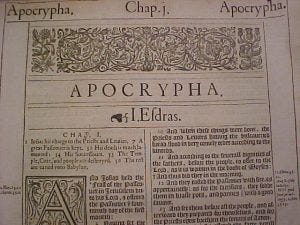
Early versions of the King James Bible still included the books contained in the Catholic Bible, but they were eventually phased out.
Meanwhile, at the Council of Trent in 1546, the Roman and Eastern Orthodox Catholics decided to keep the Septuagint and put it together with the Apocrypha (renamed as the Deuterocanonicals) to collectively create the Anagignoskomena (try to say that ten times).
What About the New Testament?
As for the New Testament, thankfully both the Protestant and the Catholic Bibles are the same after Athanasius defined it in 367.
Athanasius was a theologian and Roman Bishop of Alexandria.
Image for postHe fiercely defended Christ’s divinity against a fellow priest named Arius who denied Jesus as the promised Christ.
Arius promoted the idea — which was current at that time in the church, say what?! — that the Father created Jesus to be His Son but Jesus was neither coeternal with the Father nor had the same substantive power.
In other words, Jesus was subordinate to the Father though He was still the Son of God. Sort of like Zeus and his sons. Same idea.
Arius’ ideas did not sit well with Athanasius.
He staunchly defended the word of God to the point that he was put in exile for 17 years and banished five times after a lot of horrible politics and evil shenanigans on Arius’ part.
Things weren’t all bad for Athanasius, though. God had a plan.
While Athanasius was in exile, he wrote a fictional book about his friend, Saint Antony, and his encounters with Satan.
The book was a smash success converting many pagans to Christianity (including Augustine) and set up the Christian idea of monasticism in the church.
It was then that the church permanently reinstated Athanasius in the church.
In his first letter to his diocese after his reinstatement, Athanasius listed which books he believed should make up the New Testament.
“In these [27 writings] alone the teaching of godliness is proclaimed,” he wrote.
“No one may add to them, and nothing may be taken away from them.”
Though church leaders proposed other lists, it is Athanasius’s list that the church eventually adopted, and it is the one we use to this day.
Athanasius is now a patron saint in the Catholic church. Catholic or not, we all can be thankful for his great work defending Christ’s divinity and establishing the New Testament.
Seek the Truth
So, which is the true Bible? It’s my opinion that the Protestant Bible is truer to form to the Hebrew Bible.
Though the books in the Catholic Septuagint and the Hebrew Apocrypha likely have great value and are worthy of study, we must believe they were left out of the Hebrew Bible for a divine reason.
Remember the words of 2 Timothy 3:16–17:
“All Scripture is God-breathed and is useful for teaching, rebuking, correcting and training in righteousness, so that the servant of God may be thoroughly equipped for every good work.” (emphasis mine)
God organized and presented the Bible just as He intended it to be.
My line of thinking is that if the Hebrews are God’s chosen people and they had the first Bible, then that’s the one we should be paying attention to.
Since the Protestant Bible is meant to match the Hebrew Bible, then it must run a close second.
How Many Words Are There in the Bible? - Word Counter BlogI mean no disrespect at all to my Catholic friends, and I have a few. Everyone is entitled to their own opinion. 
My intention here was simply to highlight the differences between the two versions so you can be better informed about what you are reading.
What it all comes down to is this:
Whether you read the Protestant or Catholic Bible, the Septuagint, the Apocrypha, the Anagignoskomena, or all the above, what’s most important is that you are studying the word of God and seeking His truth in your life.
John 8:31–32 says, “If you hold to My teaching, you are truly My disciples. Then you will know the truth and the truth will set you free.”
Who doesn’t want to be free?
Regardless of your religion or perspective of faith, seek the truth of God’s word every time you read and allow the Holy Spirit to reveal to you what the truth is.
Everything else will fall into place as you receive His blessing.

Encouraging your Christian faith with Biblical history, proven theology, and uplifting Scripture. www.SteppesofFaith.com
New Catholic Version (NCV) Complete Bible Released – Catholic Bible Talk